
Sometimes I look up from writing a scene at my computer and my family is watching me. One or two of them look concerned. Another one is muffling laughter behind …

Below you'll find a list of all posts that have been categorized as “Beth Vogt”
Sometimes I look up from writing a scene at my computer and my family is watching me. One or two of them look concerned. Another one is muffling laughter behind …

You’ve heard the term “perfect storm,” right? Just so we’re all on the same page, let me define it for you: a perfect storm is a particularly bad or critical state …
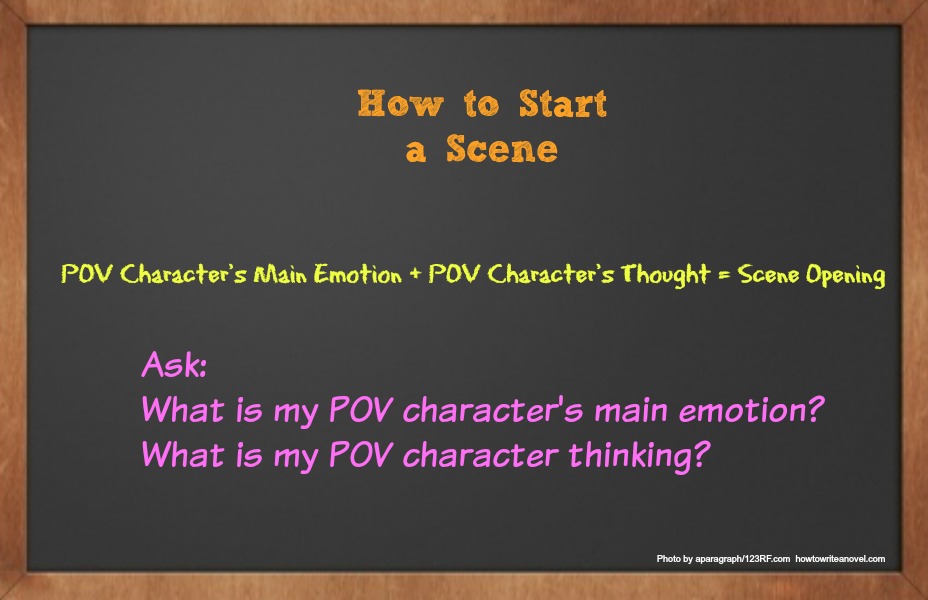
When you unpack a novel, it is nothing more – and nothing less – than a series of scenes strung together. String the scenes together in the proper order – …
At the very first My Book Therapy (MBT) Storycrafters Retreat in 2010, Susie May Warren had the attendees complete a seemingly simple – and insignificant – exercise on page nine of our workbooks.
I kept that workbook, the one with the working title of my manuscript scribbled inside the front cover: Wish You Were Here. Thanks to that weekend and how it changed my life and my writing, Wish You Were Here became a “real book” in 2012.
And I refer back to that seemingly insignificant exercise on page nine time and time again.
Susie May Warren, the founder of My Book Therapy (MBT) hosted the first online MBT Pitch and Promotion seminar on August 23. The seminar was an opportunity to connect with writers and help them polish their story pitches. Coaches and attendees talked about elements that help us craft a strong pitch, including characters and stakes.
Attendees were also told to look for the Story Irony as a potential component to construct a strong pitch. Writers also talk about Dramatic Irony, so I’m clarifying the difference between Story Irony and Dramatic Irony and then explaining how you use Story Irony when you’re crafting a pitch